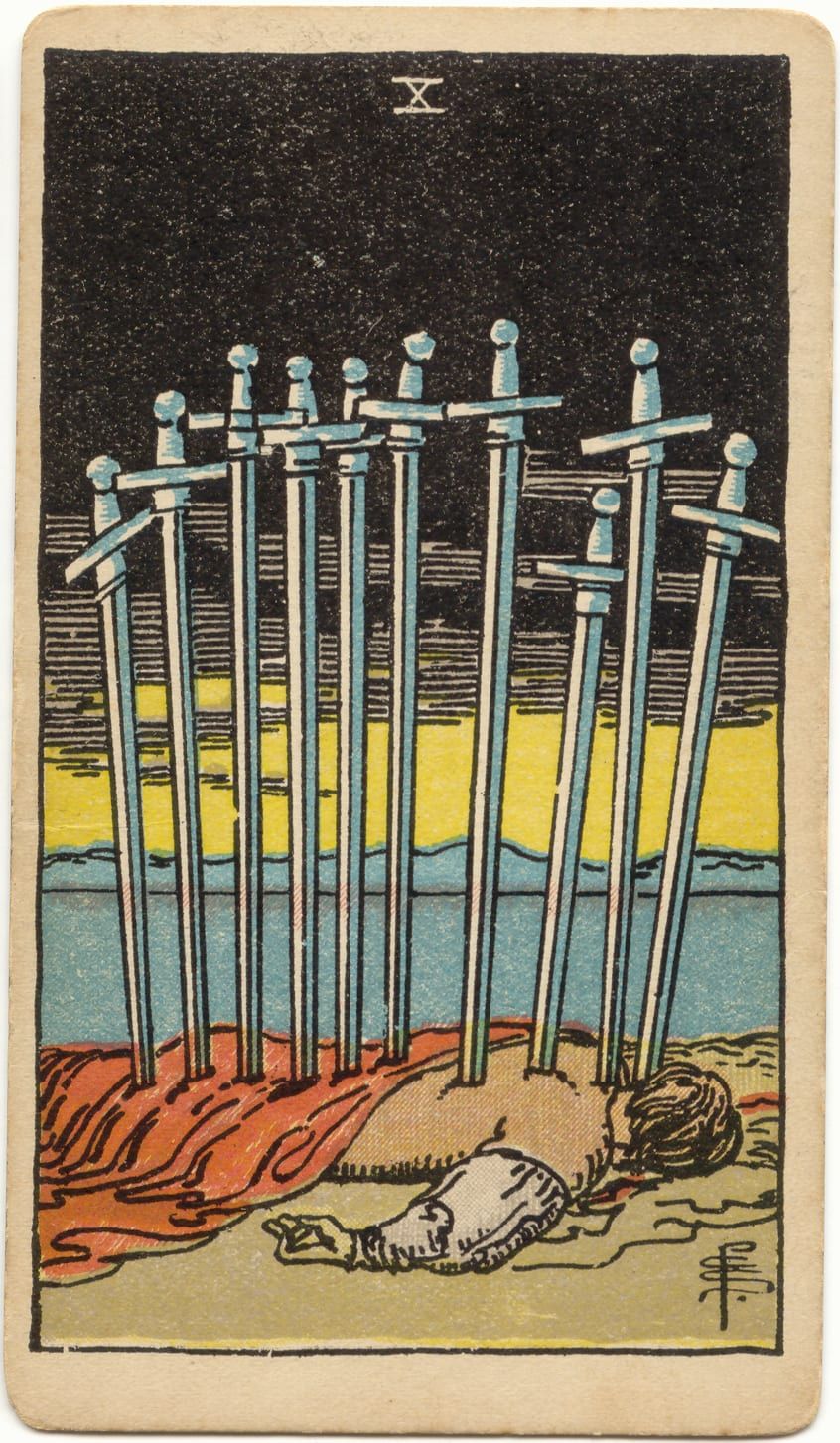
Ten of Swords
Swords · Ten
In short
- Upright
- A painful ending that also marks a point of release.
- Reversed
- Resisting closure or dramatizing a setback.
What the card shows
A man lies face down on the shore under a black sky, a red cloak thrown over his legs. Ten swords stand in his back in an uneven row: every blade the suit has, none held in reserve. One arm in a white sleeve stretches along the ground, and his face is hidden. Yet the sky isn’t black all the way down. Beneath the dark bands of cloud runs a strip of yellow light, then a line of low hills and still, pale blue water. Waite noted that this is “not especially a card of violent death”: its subject is pain, tears and desolation, the lowest point of the cycle.
Upright
Ten is the last number in the suit, and here the Swords hit their limit. Upright, the card can point to an ending that hurts to admit: a relationship, a job, a plan or your trust in someone has run its course, and no amount of thinking will bring it back. Betrayal often sits close by, the blow you didn’t see because it came from behind. The pain is real, and you don’t have to act as if you’re fine.
Still, there is an odd relief in reaching this point. Whatever could fall has fallen, so you no longer have to live braced for the blow. The card suggests giving yourself time to grieve, leaning on the people close to you, and holding off on big decisions while your head is still loud. A ten closes a cycle, and the next page belongs to a new story.
Keywords: painful ending, betrayal, rock bottom, end of a cycle, release
Reversed
Reversed, the Ten of Swords often shows someone trying to get up without pulling the swords out. The ending has happened but isn’t being accepted: going back to an ex, reworking a project that has been shut down, hunting for one more argument in a fight that was lost long ago. That resistance usually costs more than the loss itself. The card gently suggests saying it plainly: this is over, and I can let go.
The other reversed reading is about drama. Count the swords again: ten blades for one person is overkill. Swords are the suit of the mind, and sometimes we add the extra blades ourselves, replaying one setback until it feels like ruin. From the inside, things often look more hopeless than they are, and a turn for the better may be closer than it seems. Ask how many of these swords are events and how many are thoughts.
Keywords: resisting closure, drama, reopening the past, catastrophising, brief relief
Ten of Swords in relationships
In love, the Ten of Swords tends to turn up when a relationship has ended and that’s hard to accept, or when a painful truth has come out: a lie, an affair, words said behind your back. The card makes no forecast of loneliness: one story is over, and the next is still yours to write. Looking after yourself matters more now than settling who was to blame. Reversed, it may point to efforts to revive something that has already let you go.
Ten of Swords at work
At work the card can describe a cancelled project, a role that was cut, a failure that stings, or a colleague who let you down when it counted. Take an honest inventory: what exactly ended, and what is still yours, from skills to contacts. Pause before the next step, and save the big decisions for when the heat has gone. Reversed, it warns against blowing one setback up into the end of a career.
Ten of Swords as advice for the day
Put into one plain sentence what has actually ended. Then notice everything you keep adding to it: the what-ifs, the replays, the verdicts on yourself. For today it is enough to stop adding swords. Leave the old messages unread and the imaginary arguments unfinished. The night on the card is dark, but there is already light along the horizon.
The card’s lesson
The Ten of Swords marks a painful ending and the chance to begin again.
A question for yourself
What has ended in fact, not only in how it feels?
Suit and rank
- Suit: Swords
- Thought, decisions, and conflict.
- Rank: Ten
- The limit of a cycle and the step into the next.
Nearby in the deck
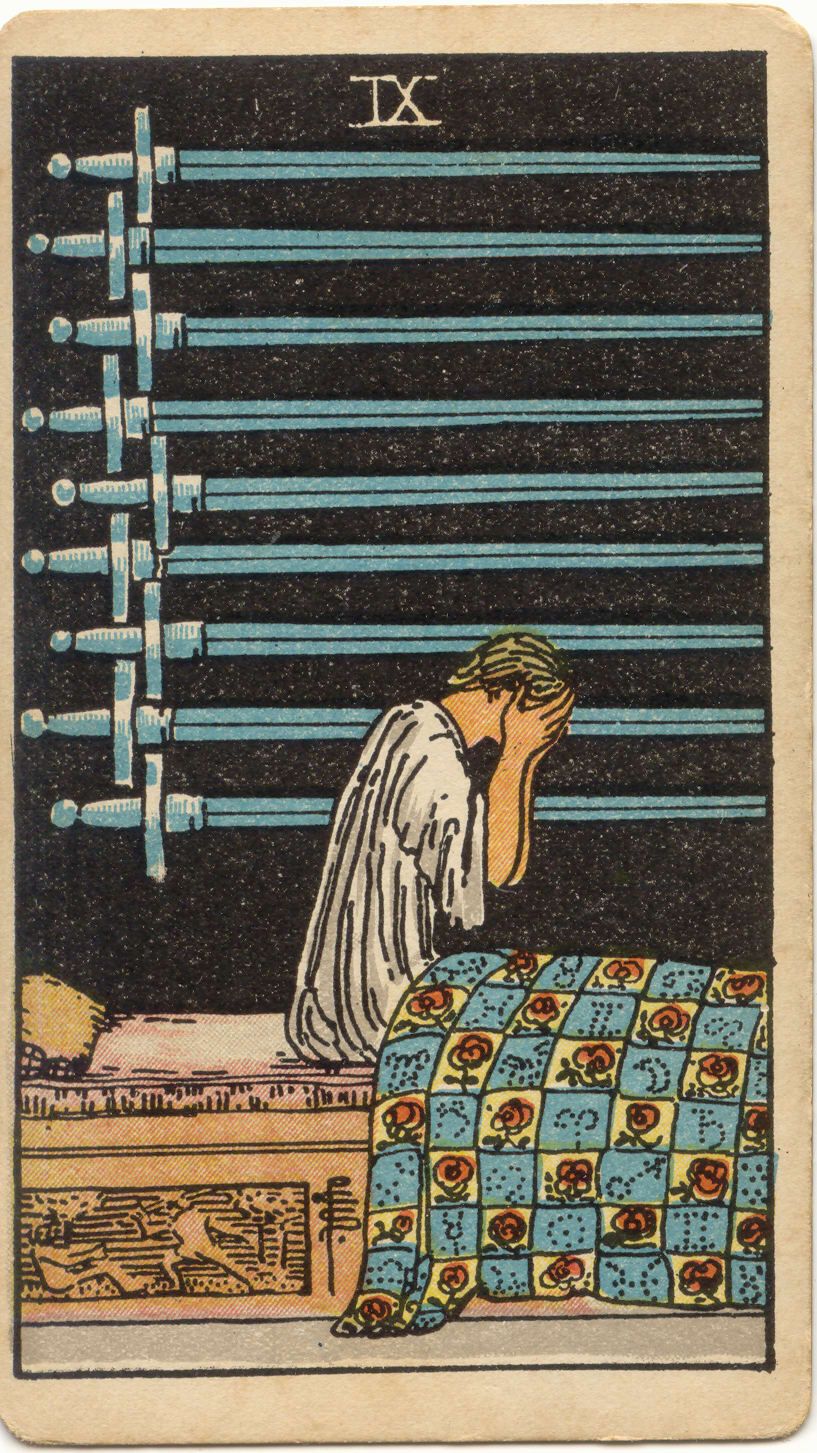
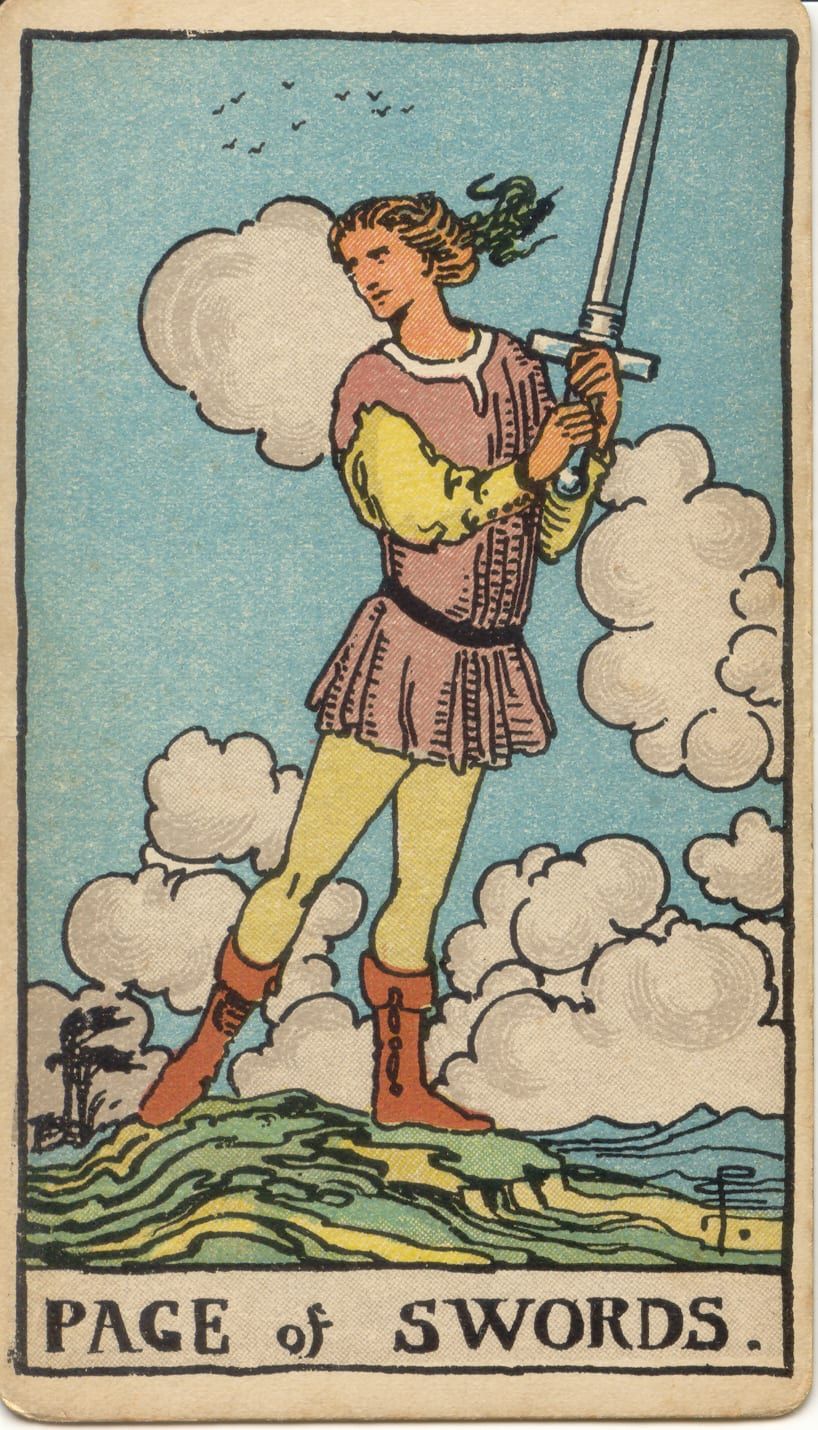
Same suit: Swords
Spreads
Ask Arkana: a card will answer your question
Write your question to the bot in Telegram. It lays out the cards, and the reading takes your question into account.
Ask the cards in Telegram